In today’s competitive online environment, businesses must reach their audiences quickly and effectively. While organic strategies like SEO and content marketing play an important role, many companies rely on paid advertising to generate immediate visibility and measurable results. This is where paid media management becomes a crucial part of a successful digital marketing strategy.
Paid media allows businesses to reach potential customers through platforms such as search engines, social networks, and display advertising networks. However, running paid campaigns without a clear strategy often leads to wasted budgets and inconsistent results. Professional paid media management ensures that advertising investments generate maximum return.
What Is Paid Media Management?
Paid media management refers to the strategic planning, execution, monitoring, and optimization of paid advertising campaigns across digital platforms. It includes everything from keyword targeting and audience segmentation to budget allocation and performance analysis.
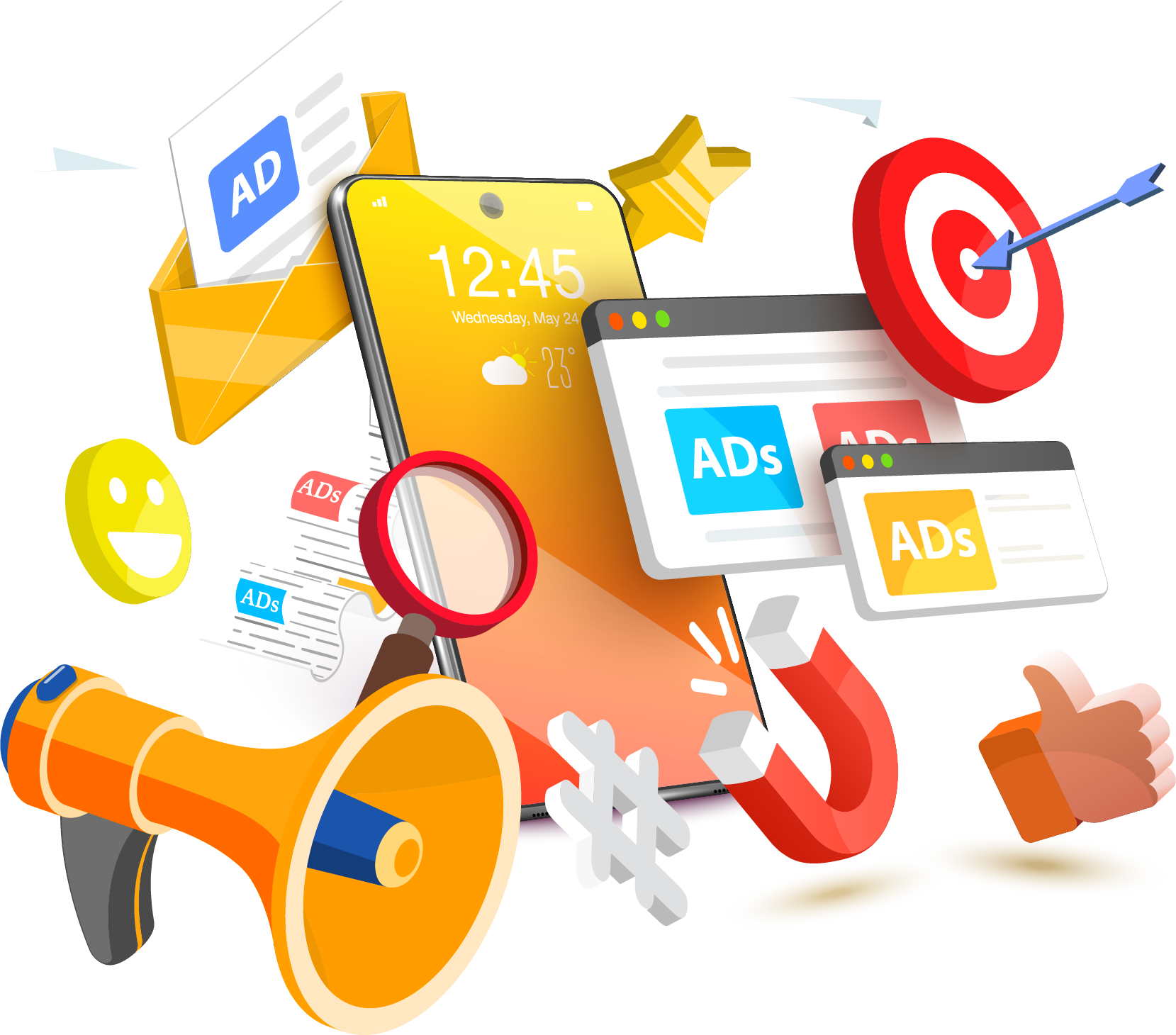
Businesses use paid media channels such as:
- Google Ads search campaigns
- social media advertising
- display and programmatic advertising
- video advertising platforms
- remarketing campaigns
By managing these channels strategically, companies can attract highly targeted audiences who are already interested in their products or services.
Why Paid Media Is Essential for Digital Marketing
One of the biggest advantages of paid media is speed. While organic strategies take time to build momentum, paid campaigns can deliver traffic and leads almost immediately.
Effective paid media management helps businesses:
- reach new audiences faster
- increase website traffic
- generate qualified leads
- improve brand visibility
- support product launches and promotions
When managed properly, paid media becomes a predictable and scalable source of growth.
Data-Driven Campaign Optimization
Modern digital advertising is built on data. Successful paid media management requires continuous monitoring and optimization of campaign performance.
Marketing specialists analyze key metrics such as:
- click-through rate (CTR)
- conversion rate
- cost per acquisition (CPA)
- return on ad spend (ROAS)
Using these insights, campaigns can be adjusted to improve targeting, messaging, and budget allocation. This process ensures that advertising budgets are used as efficiently as possible.
Audience Targeting and Personalization
Another important aspect of paid media management is precise audience targeting. Digital platforms allow advertisers to reach users based on demographics, interests, behavior, and search intent.
This level of targeting enables businesses to deliver personalized messages to the right audience at the right time. As a result, ads become more relevant, engagement increases, and conversion rates improve.
Paid Media and the Digital Marketing Ecosystem
Paid media works best when combined with other digital marketing strategies. For example:
- SEO drives long-term organic traffic
- content marketing builds authority and trust
- social media strengthens brand awareness
When integrated with these channels, paid media management amplifies the impact of the entire marketing ecosystem.
Long-Term Benefits of Professional Paid Media Management
Although paid advertising requires ongoing investment, the insights and data generated by campaigns create long-term value. Businesses learn more about their customers, identify high-performing marketing channels, and refine their messaging.
Companies that invest in professional paid media management gain a competitive advantage by running more efficient campaigns and achieving higher returns from their marketing budgets.
Conclusion
Digital advertising has become an essential part of modern marketing strategies. With the right approach to paid media management, businesses can reach targeted audiences, generate leads, and scale their growth in a measurable and predictable way.
Companies that combine paid media with strong digital marketing foundations are better positioned to compete and succeed in the evolving online marketplace.